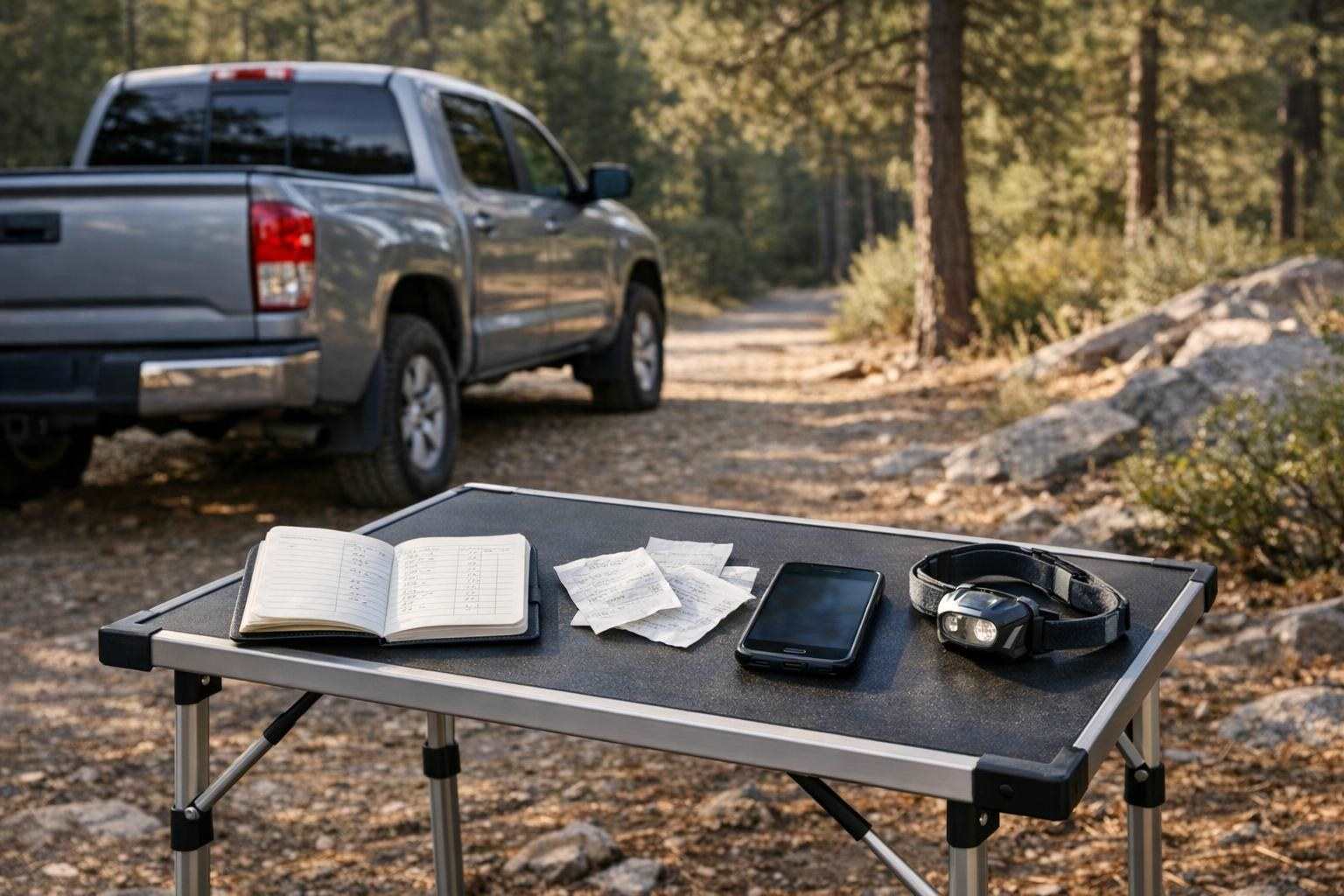
At first a trip might seem to cost only the price of the primary piece of equipment: the gun or bow. However, the true cost of a hunting trip includes fuel for driving to and within a hunting area as well as the cost of permits, batteries, snacks, and last minute supplies such as shotgun shells. Keeping a simple hunting expense log helps to ensure that all of the costs of a hunting trip are reflected in your hunting budget and that you have a better sense of overall cost of a trip as well as the cost of individual items that will be used again and again.
Start with the trip, not the receipt
This is important – it's best to create an expense log for each trip or season. This could include the spending for a hunt, a scout, a training session, or even just fixing up some gear. You could have one list for all your spending, but that would not give you any indication of how your money is being spent for each of your various activities.
Record the date of purchase, a description of the purchase, amount spent and category for the expense. Then make a note if the expense was shared, reusable, etc. A fuel stop for example may contain a stop for personal business as well as a long drive out to public land hunting. Make sure to record the full cost of the stop, even if only a portion of it was for hunting.
A simple spreadsheet, note taking app or even a notebook can serve as an effective expense log. The best tool to track expenses for hunting is likely one that you have with you at all times, i.e. a notebook by your side in your truck or after you have gone to the store. If the system you have set up for yourself to log your hunting expenses is too complicated then one forgotten receipt can create a large backlog of time spent trying to enter old receipt into the log.
Use categories that match real decisions
You should use categories to help you make decisions about your spending. Instead of simply listing 'gear' and 'travel' for example, list the different types of spending that behave differently. For example:
Useful categories may include:
– Access and required paperwork
– Fuel, parking and lodging
– Food and drinks
– Clothing and footwear
– Optics, packs and carry equipment
– Ammunition or archery supplies
– Navigation, lighting and communication
– Field care, cleaning and maintenance
– Camping and cooking equipment
– Habitat work, donations or volunteer supplies
– Training, practice and range-related costs
– Repairs, replacements and storage
Yes, the field names don't have to be exactly the same from one month to the next. For example, one month you may list 'batteries' under "gear" for a camp site, and the next month list 'camping' under "same for: hunting,scouting".
Consider that gear that supports several activities will be recorded in a gear register under full cost of purchase, but then assigned to only the relevant trip or noted as shared equipment in the trip register and noted in the gear register that it is shared equipment.
Capture the small costs at the point of use
You must account for all the small expenses too. The typical 'missed items' are the occasional battery replacement for a headlamp, extra layers on the way out, items like a sandwich or a bottle of water for lunch that get 'added to the order' at a shop, tolls, parking charges, and small repair items purchased as an afterthought. Each item appears to be of little cost on its own but can collectively add up to the cost of a season's activities.
When you've bought something record the purchase as soon as possible – take a photo of a paper receipt, forward a digital receipt to a folder dedicated to the activity, or even jot down a few words on your phone. The items you buy in stores other than specialty outdoor shops contain many useful trip related items – just note which of them you intended to use for the trip.
Watch for cash purchases and agree a rough value to keep for items such as cleaning, home freezer storage, scouting fuel, borrowed equipment and items you already have at home. These can be recorded as estimated costs, or as already owned and add no cost.
Refunds, returned items, gift cards etc. need to be logged in your expense account, otherwise original item will be shown as a cost even though refund/exchange has taken place.
Separate preparation, travel and field use
This is why it is so important to differentiate between the costs incurred prior to a trip, and those that are incurred by the trip itself. Forestry maintenance equipment that is used during the season will have costs prior to the season that are spread across all of your trips. However, costs such as fuel for a specific trip, and access to that location, will be just for that trip.
Use three practical views if your system allows it:
1. Trip costs: spending caused directly by a specific outing.
2. Season costs: permits, training, maintenance and shared equipment used across several trips.
3. Replacement costs: those items you have to purchase because they failed, wore out, or no longer meet your needs while in the field.
Yes, a long drive is required for the opportunity of hunting at this location. However, the same can be said for traveling to further locations for hunting next season. The log should reveal these questions to you but not make the decisions.
When tracking shared gear, remember that an attempt to split costs too finely can lead to inaccuracy. Marking an item such as scouting pack with "scouting and two other trips" is better than trying to arrive at a percentage and being wrong. Review your costs later to see if the gear in question has become primary for another activity.
Review the log before the next outing
Read your log from the previous season prior to your next trip. There are likely many expenses that you repeatedly forget to account for in preparation for a trip. Worn out hiking boots, low batteries, near empty fuel cans, old food, missing rain suits, items that you intended to fix or repair prior to the trip but forgot are all examples of how you can better prepare for your next hunting trip by referring to your past logs.
Create a short checklist of these items required for the upcoming trip. The items to consider are the items needed for accessing the land, the means to get to and from the location, food, clothes, navigation, safety items and the vehicle or trailer itself. Review these items with reference to any changes that may have occurred in the jurisdiction's hunting rules and regulations for the coming season.
Consider also recording spending that relates to habitat stewardship and conservation work. Include fuel for volunteer work with scouts, or the cost of tools, etc. to maintain a permitted camp, or supplies used for a cleanup. Record these in your outdoor spending log, even if they are not associated with a specific hunt. This helps to get the full extent of your outdoor activities recorded, and allows you to distinguish between costs of personal recreation and conservation.
In addition, don't mistake the biggest expense for the worst part of your spending. Run your numbers and think about what they mean for you and your travel plans. Perhaps the low cost of your camp food meant you could make more stops along the way. Perhaps buying that cheap shelter repair kit actually cost you more in the long run because you purchased it again and again because it didn't work well in the first place. That is the kind of valuable information you can glean from your list of all of your past outdoor-related spending.