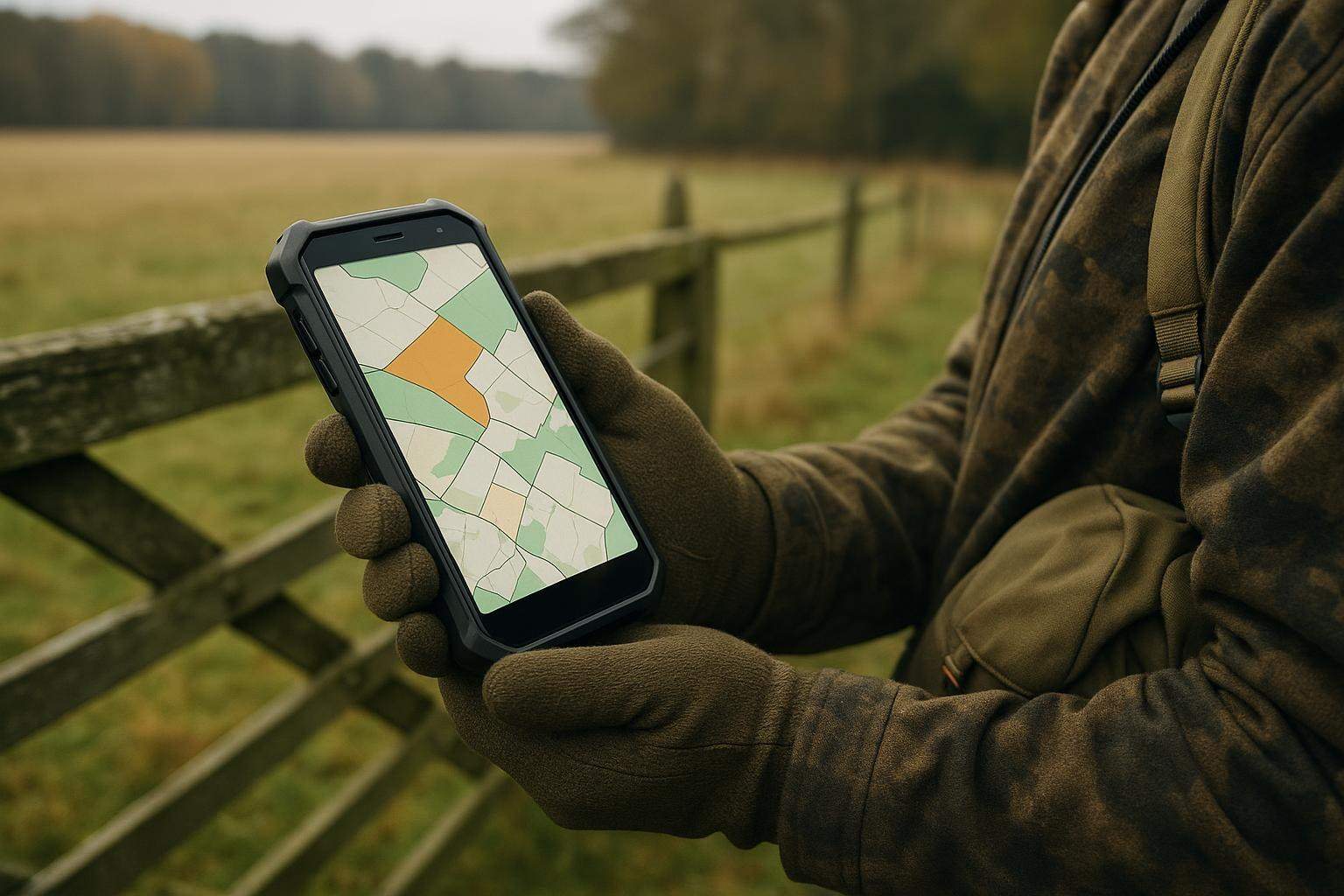
Navigating to hunting areas can be a task. A locked gate clearly shows that access is not allowed. An open gate, a sign or a unclear property line can cause confusion. Small mistakes can turn a trip, into trespassing or arguments with landowners. So doing a check of access is a part of getting ready for the hunt. This means making sure you know who gave you permission, where that permission's valid staying updated on any changes and thinking about what to do if thingsre different from what you expected.
Always Check for Permission
When you are using someone Land, permission should be seen as something not something from the past. What was agreed on year may not be true now because new land purchases, changes in how the land's used or updates in agreements between landowners can happen. It's an idea to contact the landowner or the person in charge before your trip. Make sure you know the location where you are allowed the dates you will be there what you are allowed to do. Any limits on vehicles, people or tools you can use.
Getting written permission can help clear up any confusion. Make sure that the paper includes all the details: descriptions of the land, names, specific dates and any rules that might affect your activities. Keep the paper with you. Easy to find in a format that doesn't need phone service because service can be bad in remote places.
Also don't think that just because a field is close or a trail looks open you have permission to use it. Open paths might be for workers or farmers not for hunters. If you are not sure about a path it is better to stop and ask for help. Remember, sorting out confusion now is better than fixing a relationship with landowners
Use Different Sources to Know the Boundaries
Even though digital maps are helpful they shouldn't be the way you find your way. It's an idea to check maps against official papers from land agencies, county records and signs you see on the ground. Natural features like rivers, fences and roads can help you find your way. They might not always show the edges. These features can. Get worse over time.
Focus on areas where public and private land meet and where paths go through private land. Mark these areas on a map you can use without internet. Find spots like gates or where paths split. This helps you make choices especially when you can't see well.
If you are not sure which land you are on it's best to stop hunting or not go deeper until you find out.
Know the Rules
Hunting rules can change often affecting parts of your trip. Whether you are trying to catch an animal or just following rules it's important to look up the newest information before you go. Check for guidance that tells you when the season is, what hours you can hunt, what licenses or papers you need and any rules about the weapons or bullets you can use. Learn about what's needed for seeing and tagging animals and also about rules for using vehicles.
Also look for any notices for the area. For example public land might have rules or closures that change your plans. Remember, just because a map shows a place doesn't mean you can go there and having permission doesn't mean you don't need a permit.
It's an idea to have copies of the rules on your phone and make sure you can show your papers without internet. Since rules can be different in places and can change it's best to check with the office just before your hunt. Always go with sources if you find any differences.
Make a Backup Plan
No plan is complete without a plan that goes beyond saving your hunt. It should also protect the land and animals. If your entrance is blocked by mud, crops or others don't rush into making a decision by going through areas or private land. Go back to a place you knew was okay or think about not going
Be careful during times, when birds are nesting or when animals are giving birth. Driving can hurt the land. Make tracks. Only park where you are allowed and leave gates as you found them. Sometimes walking a way on a path is better than taking a risk by driving.
Also it's an idea to tell someone at home about your plans. Give them the entrance, details about the land when you expect to be what to do if they don't hear from you. Make the plan simple and realistic-don't skip it just because the place is known.
Final Check Before Going In
Right before you go into the area take a moment to think:
– Do I have permission or real knowledge about access?
– Can I tell exactly what parcel I am on and where the lines are from where I stand?
– Have I checked all the rules, including any special ones for this area?
– Is my parking and entry path legal, safe and right for today's weather?
– Am I ready for problems like blocked paths or not knowing the lines?
– Is someone else aware of where I am and when I should be back?
This short moment can stop what should be a hunt from becoming a problem. It shows respect, for the land and the people who take care of it the animals and other hunters. Making habits now can stop problems later. Often the best preparation happens before you even step over the line.